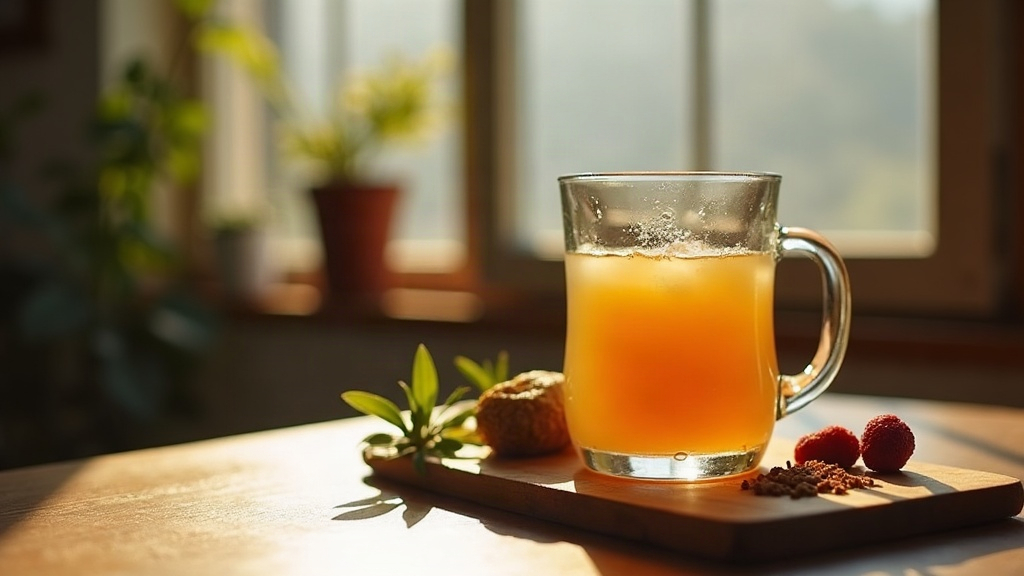
Kitchen Traditions Meet Everyday Habits

The Kitchen Story Behind Biblical drink (oil)/ Honey blend and the Small Habits Around Every Meal

Long before it had a name on a label, Biblical drink (oil)/ Honey blend was a kitchen staple passed between generations. This page looks at where it came from, how people ate around it, and how small everyday habits — like a short walk after a meal — fit into daily routines, always alongside regular check-ins with a healthcare professional.

Everyday Nutrition  ·  Daily Habits  ·  Educational Content  ·  Everyday Nutrition  ·  Daily Habits  ·  Educational Content

The Parts of the Day Nobody Talks About

Keeping an eye on how meals feel isn’t just about one moment at the table. It shows up in small, repeated ways throughout the day.

Too Many Opinions, Not Enough Clarity

Every article, relative, and app seems to say something different about what belongs on the plate.

The Afternoon Energy Dip

That heavy, foggy stretch after lunch when concentration seems to slip away, then slowly comes back an hour or two later.

The Weight of Deciding Every Meal

Three times a day, a new decision — and the mental load of getting it 'right' can feel bigger than the meal itself.

Mornings That Start Tired

Waking up already feeling behind, even after what should have been a full night's rest.

Common Kitchen Myths, Looked at Plainly

Some ideas about food get repeated so often they start to sound like fact. Here’s a closer, calmer look at three of them.

MYTH

Fruit is basically sugar and should be avoided.

FACT

Whole fruit comes with fiber, water, and texture that make it a very different food from an added sugar — most dietary guidance treats them differently for that reason.

MYTH

There’s a special category of ‘diabetic food’ that’s inherently safer.

FACT

Most packaged items labeled this way are simply reformulated snacks; what a person eats regularly matters more than a label on one product.

MYTH

All carbohydrates behave the same way in a meal.

FACT

Carbohydrates come from very different sources — a leafy vegetable and a sugary drink are grouped under the same word but sit very differently in a meal.

Three Everyday Habits Around a Meal

None of this is a program or a fix — it’s simply how some people choose to structure a meal, always alongside whatever a doctor has already recommended for them personally.

01

Set the Pace of the Meal

Eating without rushing — put the fork down between bites, notice the meal actually happening rather than finishing on autopilot.

02

Think About the Order on the Plate

Some people choose to start with vegetables or protein before moving to the starchier parts of the plate, simply as a matter of habit.

03

Add a Short Walk Afterward

A slow ten- or fifteen-minute walk after eating — around the block, up and down the hallway — is a habit many people build into their day, separate from any specific medical guidance they follow.

Where Biblical drink (oil)/ Honey blend Comes From

Biblical drink (oil)/ Honey blend refers to a traditional pairing of oil and honey referenced in ancient texts and folk kitchens across the Mediterranean and Middle East. Honey was kept in clay jars and drizzled over warm bread; oil was pressed from olives and stored alongside it in the pantry. Together, the two were combined at the table — stirred into warm water, spread on flatbread, or offered to guests as a small gesture of hospitality. Recipes passed down through households used the blend in modest amounts, more as a seasoning or ritual than as a daily staple.

This is a story about food culture and tradition, not about how a food behaves once eaten. Anyone curious about adding it to a recipe should still keep their regular meals and any prescribed treatment exactly as their doctor has outlined.

Everyday Moments Worth Mentioning to a Doctor

Sleep That Doesn't Feel Restful

Waking up tired more days than not, even with a full night in bed, is worth mentioning at the next appointment with the professional who already knows the full picture.

A Pattern Repeating Itself

If the same tired, foggy stretch shows up around the same time almost every day, it's a detail worth describing out loud to a doctor rather than working around on your own.

Meals That Feel Harder to Plan Than Before

When deciding what to eat starts to feel unusually stressful or confusing, that's a good thing to bring up at a check-up, not something to solve alone.

Noticing Changes After Travel or Schedule Shifts

Time zones, new routines, or irregular hours can shift how a day feels — a doctor who knows the full history can help make sense of it.

Feeling Unusually Thirsty or Hungry

Shifts like this are common topics for a medical visit, and they're best described directly to a healthcare provider rather than guessed about at home.

A Family Conversation Worth Having

Family history comes up in a lot of kitchens — it's a good reason to schedule time with a doctor rather than draw conclusions independently.

How Some People Talk About Their Routine

I stopped trying to overhaul everything at once. Now I just try to walk around the block after dinner most nights — it's become part of how the evening winds down.

Marta H.
Illustrative account
Slowing down at the table made a bigger difference to how I felt than any single food swap. I still check in with my doctor the same way I always have.
Douglas R.
Illustrative account
Planning meals used to feel overwhelming. Breaking it into smaller habits — the order of what's on the plate, a short walk after — made the whole day feel less chaotic.
Priya N.
Illustrative account

These are individual experiences shared for illustrative purposes only. They describe personal routines, not medical outcomes, and results and experiences vary from person to person. This is not a substitute for medical advice.

A Habit Worth Trying, Alongside the Care You Already Have

Explore how small routines around meals — pace, order, and a short walk afterward — fit into daily life, and keep every conversation about your personal health with the doctor who already knows your history.

Advertising Disclosure: This page contains sponsored content and affiliate links. The owner of this site may receive compensation if you choose to click a link or make a purchase through one of these links. All opinions expressed here are for informational purposes only.

Content Disclaimer: This content is provided for educational and informational purposes only. It has not been evaluated by the FDA and is not intended to diagnose, treat, cure, or prevent any disease. It does not replace medical advice, diagnosis, or treatment. Always consult a qualified healthcare professional before changing your diet, routine, or any prescribed treatment.

Results Disclaimer: Individual results and experiences vary. Any testimonials or examples shared on this page reflect personal opinions and are not a guarantee of any particular outcome.

© 2026 · All Rights Reserved